 Blog
Blog
Truck Unloading Conveyor: The Fast Track to Safer, Smarter Dock Operations
What Is a Truck Unloading Conveyor and Why It Matters
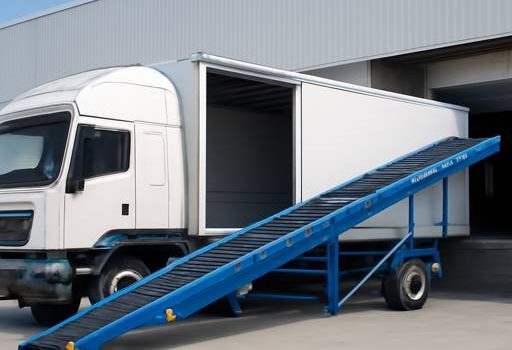
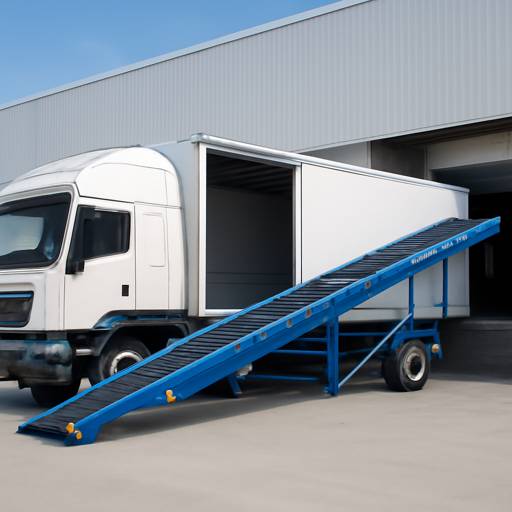
A truck unloading conveyor is a purpose-built material handling system that bridges the gap between a vehicle’s cargo area and a facility’s inbound zone. Instead of relying on manual lifting, pushing, and carrying, goods ride smoothly from the trailer to the receiving area, where they can be sorted, palletized, or fed into automated systems. By reducing touches, minimizing travel distance, and stabilizing product flow, a truck unloading conveyor accelerates dock-to-stock time while protecting workers from strain-related injuries.
At the most basic level, these systems replace a stop-and-start unloading rhythm with a steady, controlled stream of cartons, parcels, totes, or sacks. In industries where the pace is relentless—express delivery hubs, cross-border logistics corridors, e-commerce fulfillment centers, and high-mix industrial plants—this steady flow can be transformative. A well-specified solution brings predictability to inbound peaks, making it easier to staff shifts, schedule carriers, and keep downstream processes fully utilized.
The benefits reach beyond pure speed. A truck unloading conveyor can significantly improve ergonomics. Telescopic booms and height-adjustable noses reduce reaching and bending inside the trailer, and powered belts or rollers remove the need to shove heavy cartons along the floor. Damage rates typically fall as packages ride smoothly on belts or rollers rather than being dragged or stacked precariously. With fewer touches, labels remain readable, barcodes scan more reliably, and claims for concealed damage decline. Safety improves through integrated features like emergency stops, soft-start drives, and lighting at the trailer interface that enhances visibility during early-morning or late-night shifts.
There is also a compelling cost story. The true cost of manual unloading isn’t just labor hours; it includes overtime, rework from mis-sorts, injury downtime, and the hidden expense of variability. A truck unloading conveyor stabilizes cycle times, allowing teams to forecast throughput more accurately. When paired with a WMS or simple scan-and-weigh stations at the dock, inbound data becomes cleaner and faster to capture. For operations scaling in fast-growing regions or handling international volumes, this stability underpins sustainable growth—supporting everything from rapid parcel turns to industrial inbound flows where line stoppages are not an option.
Types, Features, and Selection Criteria for Dock-to-Stock Speed
The right truck unloading conveyor depends on freight profile, trailer mix, facility layout, and integration needs. Telescopic belt conveyors are the workhorse for parcel and cartonized goods: a powered belt extends deep into the trailer, often with multiple boom stages, bringing the loading surface directly to the operator. Adjustable boom elevation and a articulating wrist or “drop-down” nose help match package height inside the trailer, reducing lift distance. For irregulars or mixed freight, powered roller systems or chain-driven live roller (CDLR) sections handle heavier items while resisting side loads and impacts.
Flexible conveyors—either gravity skate-wheel or powered roller—are ideal when docks serve different trailer positions or when floor plans shift for seasonal peaks. They can snake around columns, expand to meet an incoming trailer, then contract and roll away after the shift. For lower volumes or short docks, gravity solutions offer simplicity and low energy use; for sustained high throughput, 24V DC motor-driven roller (MDR) sections provide controlled accumulation, zone-based starts, and gentle singulation. In express or e-commerce facilities, MDR’s zone logic pairs well with scan tunnels and print-and-apply stations to create a continuous receiving workflow.
Safety and uptime features deserve close attention. Look for robust guarding, dead-man or tethered controls, e-stops positioned for both dock and in-trailer access, and clear LED lighting at the boom. Soft starts, variable frequency drives (VFDs), and anti-collision sensors improve handling and protect packages. Dust- and humidity-resistant designs (e.g., sealed bearings, IP-rated enclosures) are important for coastal or high-heat climates. Maintenance-wise, modular belts, quick-change rollers, and accessible drive sections cut mean time to repair. And because inbound volume can swing fast, verify that controls integrate with your PLC, WCS, or WMS, enabling simple triggers such as automatic start/stop and jam alerts visible from a supervisor screen.
When evaluating options, think in terms of total cost of ownership: energy consumption, spare parts availability, training effort, and the supplier’s support footprint across your regions. Model scenarios like single-operator unloading vs. two-person crews, differing carton sizes, and peak hour flows. Then match features accordingly—boom length to your deepest trailer, conveyor width to your largest carton face, and incline capability to dock geometry. For buyers exploring a truck unloading conveyor, it’s also wise to ask for past performance data in comparable industries—express delivery, warehousing, or cross-border logistics—so the configuration reflects real-world conditions rather than lab assumptions.
Deployment Scenarios, Layouts, and Real-World Practices
Every dock has its nuances. A high-volume parcel hub prioritizes rapid singulation and ergonomic reach inside 53-foot trailers, while a regional distributor might need quick changeovers between vans, box trucks, and semi-trailers. In busy trade corridors—such as coastal and border regions where international flows surge—unloading windows can be tight and volatility high. A well-planned truck unloading conveyor layout addresses these realities by combining mobility, modularity, and integrated sensing that supports fast problem resolution.
For peak-driven e-commerce sites, a telescopic belt conveyor with an articulating nose and integrated LED lighting ensures steady flow even during night operations. Pairing the boom with a powered flexible conveyor at the dock doorway creates a two-stage system: the boom feeds cartons to the flexible line, which then carries them to inbound sort or palletization. Operators can hold packages briefly in accumulation zones while scan-and-weigh stations verify inbound accuracy. Inbound data rolls seamlessly into the WMS, enabling faster putaway and fewer exceptions later in the day.
Industrial inbound lines benefit from ruggedized rollers and multi-lane setups. Consider a pit-mounted or dock-mounted telescopic unit feeding two parallel lines: one for standard cartons, one for heavier components. With simple diverters, operators route items to inspection, kitting, or line-side tuggers. Sensors along the boom and at the nose detect jams early, and maintenance teams can access wear components without dismantling half the line. Where production uptime is mission-critical, spares kits and standardized drives reduce downtime risk, while condition monitoring helps schedule maintenance between shifts.
Local conditions matter. In hot, humid climates, heat-resistant belts, sealed electronics, and low-dB drives reduce failures and protect worker comfort. Where docks are shared among carriers, mobile bases with tow bars and locking casters let teams reposition equipment quickly between doors. For mixed fleets—sprinter vans in the morning, 40-foot containers in the afternoon—adjustable boom angles and interchangeable nose sections prevent bottlenecks when freight type changes. Training is best done hands-on: short, scenario-based modules that cover safe trailer entry, correct use of e-stops, and quick jam clearing routines reinforce both speed and safety from day one.
A practical rollout playbook often includes a site survey to capture dock geometry and trailer mix, data logging to profile arrival patterns, and throughput modeling to size conveyor width, boom stroke, and drive power. A short factory acceptance test (FAT) with your heaviest and most awkward SKUs validates performance before shipment; on-site commissioning confirms controls integration and operator accessibility. Early wins tend to come from basics—consistent unload rate, ergonomic reach, clear work instructions—after which teams can layer in automation like barcode tunnels, dimensioning, or AMR transfers to staging. With the right combination of equipment and process design, a truck unloading conveyor becomes the linchpin of an inbound operation that is faster, safer, and easier to scale when volumes rise.

Raised in São Paulo’s graffiti alleys and currently stationed in Tokyo as an indie game translator, Yara writes about street art, bossa nova, anime economics, and zero-waste kitchens. She collects retro consoles and makes a mean feijoada.